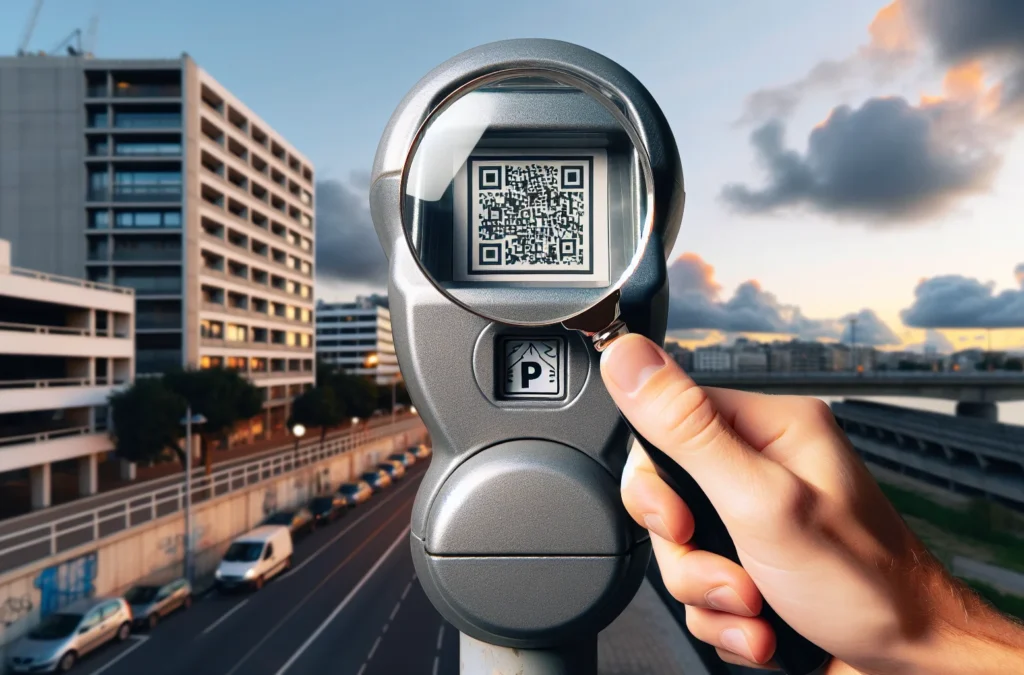
— what once seemed like a convenient shortcut could now cost you dearly. Those sleek, scannable squares popping up on parking kiosks aren’t always what they appear to be. Cybercriminals are hijacking this seamless technology, replacing legitimate codes with malicious ones designed to steal your data or drain your wallet. From fake payment portals to silent malware downloads, the risks are real and rapidly evolving. As cities embrace digital solutions, scammers follow closely behind. This isn’t just about parking anymore — it’s about digital safety in plain sight. Stay alert. Stay informed.
The Hidden Dangers Behind a Simple Scan: Why You Should Never Scan a QR Code on a Parking Meter Anymore
The growing convenience of digital payments has made QR codes a common sight on parking meters across cities. However, this seemingly harmless technology gateway has become a prime target for cybercriminals. With the rise in digital skimming, phishing attacks, and device tampering, scanning a QR code on a parking meter has evolved from a quick transaction into a potential cybersecurity threat. This shift underscores precisely why you should never scan a QR code on a parking meter anymore, even if it appears official. What seems like a harmless act of paying for parking can expose your smartphone, payment credentials, and personal data to serious risk.
How Cybercriminals Hijack QR Codes on Public Parking Meters
Cybercriminals are increasingly exploiting public infrastructure by tampering with legitimate QR codes on parking meters. They physically cover the original code with a counterfeit sticker containing a malicious QR code—often indistinguishable from the real one. When you scan it, instead of being directed to the official payment portal, you’re redirected to a phishing site designed to mimic a legitimate payment processor. These fake pages prompt you to enter credit card details, login credentials, or even install a malicious app. Once submitted, the attacker gains access to your financial information. The sophistication of these attacks makes it difficult for users to detect manipulation, reinforcing why you should never scan a QR code on a parking meter anymore without verification.
The Rise of Skimming-as-a-Service in Urban Areas
A disturbing trend in urban centers is the emergence of skimming-as-a-service, where cybercriminal networks deploy tampered QR codes at scale. These operations often target high-traffic parking zones near business districts, tourist attractions, and transportation hubs. The QR codes are linked to backend systems that harvest card data in real time, which is then sold on dark web marketplaces. Some of these schemes use geofencing technology to activate the malicious redirect only when scanned from a mobile phone—making detection harder for authorities. With such well-organized infrastructure in place, the risks associated with public QR code scanning have intensified, directly supporting the argument why you should never scan a QR oxide on a parking meter anymore as a matter of preventive security.
Malware Delivery Through Redirected Links
Beyond credential harvesting, scanning a compromised QR code can lead to automatic malware downloads. Some malicious redirects exploit vulnerabilities in mobile operating systems to trigger silent installations of spyware, ransomware, or keyloggers. Once activated, these programs can monitor your keystrokes, access your camera, steal stored passwords, or even lock your device until a ransom is paid. Because the initial interaction appears benign—just a scan to pay for parking—users rarely suspect foul play until it’s too late. This invisible threat vector demonstrates how a routine action can open your entire digital life to compromise, another compelling reason why you should never scan a QR code on a parking meter anymore without validated source confirmation.
How Cities Are Responding With Security Overhauls
In response to the surge in QR code fraud, some city governments and municipal transportation departments are implementing new security protocols. These include embedding cryptographic signatures into legitimate QR codes, using blockchain-based verification systems, and adding physical holographic seals that prevent sticker tampering. Additionally, cities are launching public awareness campaigns advising users to only pay through verified city mobile apps rather than scanning on-site codes. While these improvements are promising, widespread rollout remains slow, and legacy systems remain vulnerable. Until every parking meter is secured with anti-tamper technology, the safest course of action remains clear: why you should never scan a QR code on a parking meter anymore unless the source is independently verified.
Secure Alternatives to Scanning Public QR Codes
To avoid the risks associated with public QR codes, users should adopt safer payment alternatives. Official city parking apps—such as ParkMobile, Passport, or municipal platforms—offer encrypted, authenticated payment channels. These apps verify location through GPS and authenticate transactions through secured APIs, significantly reducing exposure to fraud. Additionally, contactless payment methods like NFC via Apple Pay or Google Wallet at the meter itself (if available) are far more secure than QR codes, as they don’t require internet redirection. By choosing these vetted methods, you sidestep the vulnerabilities inherent in public QR systems, aligning with the core principle why you should never scan a QR code on a parking meter anymore when safer options exist.
| Risk Factor | Description | Prevention Method |
| Phishing via Fake QR | Malicious QR redirects to fake payment page mimicking official one | Use only city-endorsed mobile apps |
| Device Compromise | Malware injection via OS exploit after scan | Keep mobile OS updated and avoid unknown links |
| Data Harvesting | Stolen credit card or login info sent to cybercriminals | Enable two-factor authentication on payment accounts |
| Sticker Tampering | Fake QR code sticker placed over original | Inspect for signs of physical tampering |
| Unsecured Network | Public Wi-Fi during transaction increases interception risk | Use mobile data instead of public Wi-Fi |
Frequently Asked Questions
Why is scanning a QR code on a parking meter potentially dangerous?
Scanning a QR code on a parking meter can expose you to malware, phishing scams, or identity theft if the code redirects to a malicious website. Criminals often replace legitimate QR codes with counterfeit ones that lead to fake payment portals designed to steal your credit card information or personal data, making it a serious security risk.
How can fake QR codes on parking meters trick users?
Criminals place overlaid stickers with fake QR codes directly over legitimate ones, making them appear authentic. When scanned, these codes redirect users to fraudulent websites that mimic official payment systems, tricking them into entering sensitive information such as payment details or login credentials, which are then captured by cybercriminals.
What should you do instead of scanning a QR code at a parking meter?
Instead of scanning a QR code, use the official city parking app, a known and secure website, or pay through a trusted payment kiosk with direct card entry. Always verify the source of any QR code and avoid ones that look damaged, misaligned, or recently applied, as these are red flags for tampering.
Can legitimate parking services still use QR codes safely?
Yes, some cities do use legitimate QR codes for parking payments, but they should only be scanned if verified through official channels like the municipality’s website or app. Always confirm the QR code’s authenticity by checking for government logos, secure URLs, and HTTPS encryption to avoid falling victim to digital skimming.
About the Author